Sink-side holder insert
Representative part: replaceable sponge in a caddy.
Key axes: open-cell vs skin, thickness, food-contact file.
Buyer decision: whether the search meant the holder body or the insert.
VERIFIED REQUEST / FIRST ORDER
Compare quotes from up to 3 factories
FREE basic specification and sourcing-requirements review
Eligible first orders may receive up to 3%
Eligibility applies to qualified business buyers and is confirmed after we review your product, quantity, destination, and sourcing requirements. Final savings depend on supplier confirmation, product type and order value.
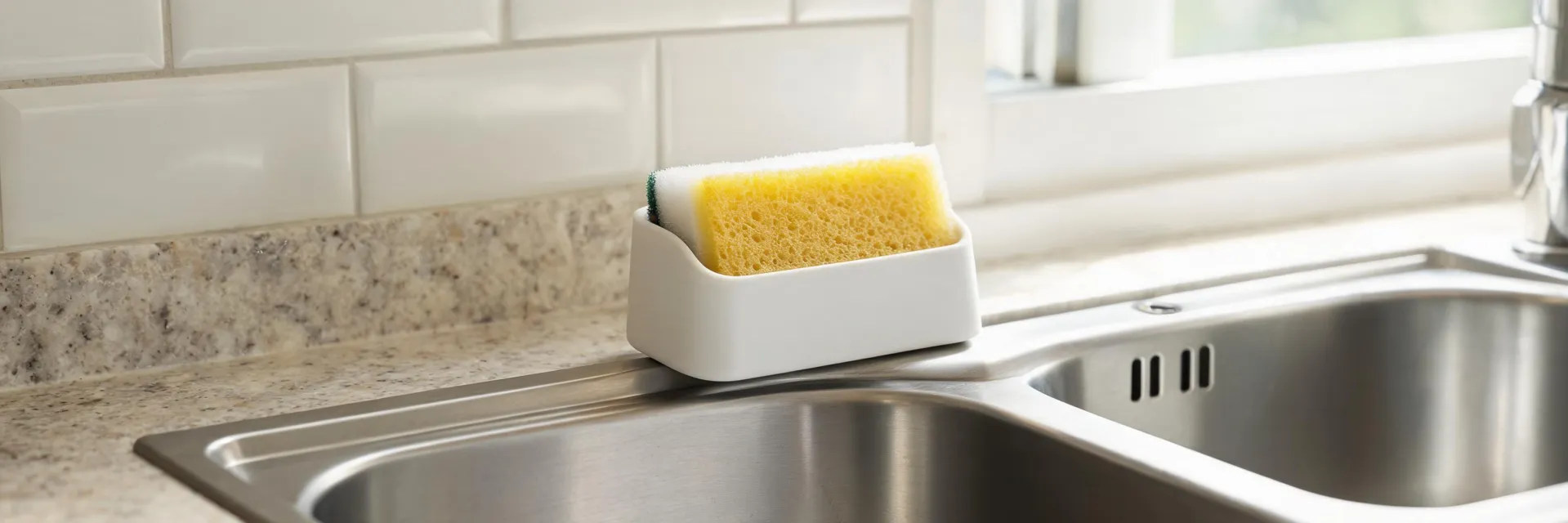
Translate a project into a silicone sponge holder for kitchen sink requirement, not into a promised result. The holder geometry, the insert compound and the industrial gasket family are different goods even when they share a search string. The buyer still chooses cell structure and Shore A if hardness is used.
Site condition changes the requirement, not only the price. A constantly wet drainboard, a detergent soak, and a heated dishwasher-adjacent surface are different asks.
Representative part: replaceable sponge in a caddy.
Key axes: open-cell vs skin, thickness, food-contact file.
Buyer decision: whether the search meant the holder body or the insert.
Representative part: molded or die-cut caddy.
Key axes: outline, Shore A if used, drain slots.
Buyer decision: molded solid silicone versus cellular sponge.
Representative part: closed-cell sheet later cut to a lid.
Key axes: thickness, density in g/cc, compression set method.
Buyer decision: do not use a dish-pad quote for this line.
Representative part: gap-filler sponge.
Key axes: thickness, density, temperature method.
Buyer decision: whether thermal conductivity is even on the brief.
Representative part: holder plus pad kit.
Key axes: kit contents, packing, barcode if asked.
Buyer decision: which items sit inside the unit price.
Representative part: die-cut insert.
Key axes: outline tolerance, adhesive, lot file.
Buyer decision: sample lot before production.
A silicone sponge holder for kitchen sink callout without cell structure and without the wet/dry site lets the factory pick a default pad. That default may not match the drawing.
| Thermal | Chemical | Mechanical | Compliance |
|---|---|---|---|
| Service temperature in °F or °C at the sink or adjacent heat | Detergent, bleach or food soil named | Cell structure; Shore A if the buyer uses hardness | FDA 21 CFR 177 only when food-contact is requested |
| Continuous wet versus occasional splash | Adhesive on a holder foot if used | Thickness and outline of the insert | Lot document versus a company certificate |
| Dishwasher cycle if the buyer claims it | Oil or fragrance residue if relevant | Whether the part is sponge, solid silicone, or plastic | REACH / RoHS only if the receiving plant files them |
Process engineers sometimes ask whether a silicone sponge gasket should move to FKM. This desk does not pick the polymer. The trade-off is written here so the request can name the medium.
Published silicone windows often run near −60 to +230 °C, with USP Class VI / FDA 21 CFR 177 routes used for food and medical files. Oil swell remains a buyer question; silicone is not assumed oil-tight.
FKM holds sealing force in many oils and fuels where silicone swells. Material cost is typically several times higher. If the sink-adjacent brief is only detergent and water, FKM is usually the wrong family to quote against a dish-pad search.
“A plant that writes silicone sponge holder for kitchen sink on a purchase order still has to say whether the line is the holder, the insert, the cell structure, and which wet-site condition the receiving engineer will accept.”
Checklist language only. Not a named review or a completed shipment.
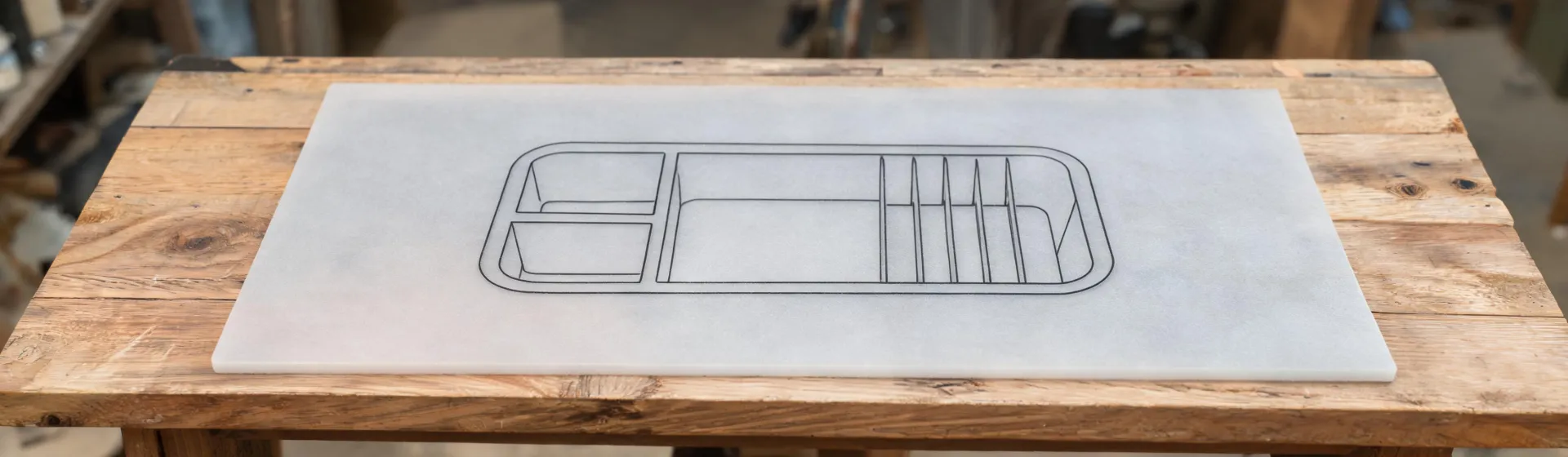
Missing cell structure or site condition stays visible. We will not invent them to complete the form.
Request Factory Quotes Read the request checklist